
Out-of-Home Care Services
Audit snapshot
Is the Department of Families, Fairness and Housing meeting Victorian children's needs in out-of-home care?
Why we did this audit
All children have the right to grow up in a safe, stable and caring environment. Out-of-home care aims to protect and support children who cannot live safely with their families.
Under the Children, Youth and Families Act 2005 (the Act), out-of-home care placements must prioritise the child’s best interests. This includes safety, stability, cultural identity and keeping siblings together where possible.
We did this audit to see if the Department of Families, Fairness and Housing (the department) provides suitable, sufficient and culturally appropriate placements for children by effectively planning for and managing out of home care services' demand, capacity and availability.
Key background information
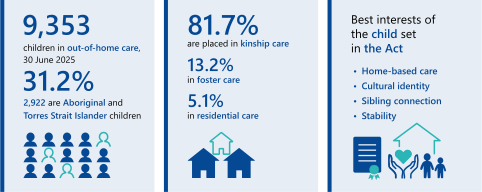
Source: VAGO.
What we concluded
The department is not fully meeting Victorian children's needs of in out-of-home care.
It places most children who need out-of-home care with a relative or someone they already know – the preferred kinship care model. Kinship care is most effective at keeping siblings together and offers the greatest stability. There have been more kinship placements in 2025 than 2021, but there are fewer foster carers. This trend reduces the department’s capacity to arrange suitable foster care placements for children.
Aboriginal and Torres Strait Islander children are over-represented in care, and progress towards meeting National Agreement on Closing the Gap targets – national goals to improve outcomes for Aboriginal peoples – has been slow.
The department does not always achieve the legislative principles for placements, which include keeping siblings together and minimising placement changes. There are still disparities between cohorts and placement types, especially for Aboriginal and Torres Strait Islander children and children with disability, who face higher rates of sibling separation. Older children are more likely to have their placements changed multiple times.
The department also has longstanding data quality issues that limit its understanding of children in out of home care's needs.
We made 5 recommendations to the department about addressing gaps in placement availability, carer capacity, data reliability and demand forecasting.
1. Our key findings
What we examined
Our audit followed 2 lines of inquiry:
1. Does the department monitor demand for and access to out-of-home care services to assess system capacity?
2. Does the department oversee out-of-home care services’ availability and sufficiency?
To answer these questions, we examined:
- the Department of Families, Fairness and Housing (the department).
We refer to children and young people as ‘children’ throughout this report for simplicity.
Background information
Out-of-home care provides temporary, medium or long-term living arrangements for children who cannot live in their family home. Each placement type is intended to support their safety and stability.
| Types of care include … | where a child is placed ... |
|---|---|
| kinship care | with a relative or someone from their social network such as a family friend. |
| foster care | with a trained and approved foster carer who is not a relative. |
| residential care | in temporary, short-term, or long-term accommodation run by qualified staff members who provide care on a rostered basis. |
Kinship care and foster care are referred to as home-based out-of-home care.
There were 9,353 children in out-of-home care at 30 June 2025. This is up from 9,142 at 30 June 2021.
Looking at the numbers as rates per 1,000 children aged zero to 17, the rate of children in out-of-home care fell slightly from an average of 6.5 in 2021 to 6.4 in 2025.
As Figure 1 shows, for every 1,000 children aged zero to 17 years in Victoria, the department placed 4.4 non Aboriginal children in out-of-home care in 2024–25, but that number is 95.8 for Aboriginal and Torres Strait Islander children.
Victoria has similar rates of non-Aboriginal children in out-of-home care as New South Wales and the Australian Capital Territory. But it has the highest rate of Aboriginal and Torres Strait Islander children in out-of-home care across Australia (excluding Queensland, as data was not available).
Figure 1: Rates per 1,000 children aged zero to 17 years in out-of-home care across Australia, 2024–25
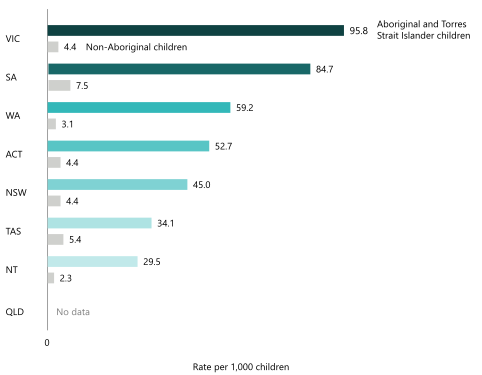
Note: Queensland 2024–25 data is not available due to the transition to a new client management system.
Source: VAGO, based on Report on Government Services 2026, table 16A.2.
Legislation
The Children, Youth and Families Act 2005 (the Act) requires that out-of-home care placements prioritise the child’s best interests, including safety, stability, cultural identity and keeping siblings together where possible.
The Aboriginal Child Placement Principle (placement principles) requires Aboriginal and Torres Strait Islander children in out-of-home care to be placed with family or community when possible, or have their cultural ties maintained.
The placement principles set a nationally recognised hierarchy for placement decisions. In Victoria, the placement principles became law under the Act in 2007. The placement principles were expanded in 2024 after the Statement of Recognition Act 2023 came into place to include prevention, partnership, participation and connection elements. These focus on early family support, shared decision making with Aboriginal organisations, the involvement of Aboriginal and Torres Strait Islander children and families in decisions, and maintaining cultural and family connections. The department must apply the placement principles when placing Aboriginal and Torres Strait Islander children in out-of-home care.
Kinship care should be considered before other placement options and is preferred where it is safe and appropriate. The Act refers to placement with ‘another suitable carer or carers’ when a child cannot be placed with a parent, family member or other person significant to them. In practice, this means foster care. Residential care is generally used only where home-based options are unavailable or unsuitable.
The Act and placement principles emphasise the importance of stability and keeping siblings together where possible. This recognises that consistent, home-based placements support children’s emotional, social and developmental outcomes.
Roles and responsibilities
The department is responsible for child protection and placement decisions under the Act. The department’s child protection workers make these decisions based on what is best for the child, guided by the placement principles.
For Aboriginal and Torres Strait Islander children, the Act provides for responsibility for child protection investigations and placement decisions to be transferred from the department to authorised Aboriginal Community Controlled Organisations (ACCOs). In these cases, the authorised ACCOs makes placement decisions for the children and young people it manages.
The department oversees out-of-home care in partnership with community service organisations, ACCOs and other non-government agencies.
The department delivers and reports on services through 4 geographic divisions: North, South, East and West. Each division is responsible for child protection, out-of-home care and related services within its region.
What we found
This section focuses on our 3 key findings:
1. The department is preferencing kinship care, but fewer foster carers limits flexibility and system capacity.
2. Children’s care experiences vary by placement type and cohort.
3. The department’s understanding of children’s needs and system demand is limited.
Consultation with agencies
When reaching our conclusions, we consulted with the audited agency and considered its views.
You can read its full response in Appendix A.
Key finding 1: The department is preferencing kinship care, but fewer foster carers limits flexibility and system capacity
More children are being placed in kinship care than foster or residential care
Between 30 June 2021 and 30 June 2025, the department demonstrated a strong preference for home-based care, with 81.7 per cent of children being in kinship care. This is up from 78.2 per cent in 2021. This growth in kinship placements is consistent with the placement principles. During the same period, foster care placements fell while overall residential care levels were stable.
As of 30 June 2025, the average age of children in residential care was 14.9 years old. Residential care mainly serves children aged 12 to 17, with some exceptions.
While there are children under 12 in residential care, the number has fallen from 97 (0.8 per cent of all children in out-of-home care) at 30 June 2022 to 58 (0.6 per cent) at 30 June 2025.
This reduction reflects the department's focus on placing younger children with families, rather than in residential care settings.
Kinship care capacity is restricted and there are fewer foster households
There were more active kinship carer households from 30 June 2021 to 30 June 2025, corresponding with the growth in kinship care placements. The number of active foster carer households decreased by 180 (18 per cent) during the same period.
Because kinship care placements are restricted to a child’s existing family or kin network, capacity is determined on a case by case basis and relies on eligible families being willing and available to provide care.
Given the restricted nature of a child's kinship network, providing effective carer support is critical to maintaining kinship placements.
Where capacity within a child's kinship networks is limited, demand is likely to shift towards foster care. This would further strain the foster care system, which has already declined significantly.
Victoria’s base allowance for carers of children from birth to 7 years old is the lowest in Australia and applies to the broadest age group.
The department's advice to the government, along with the Foster Care Association of Victoria’s (FCAV) Carer Survey 2024 Report, identifies low care allowances as a central factor contributing to declining carer numbers in Victoria.
Department advice notes that kinship carers are particularly affected. Most of these carers initially get the lowest care allowance amount and have to navigate complex processes to get additional funding.
Addressing this finding
To address this finding, we made 2 recommendations to the department about:
- strengthening home-based care capacity by improving foster carer recruitment and retention, including reviewing existing care allowance
- monitoring accredited foster carer status in out-of-home care to strengthen workforce planning, target recruitment and retention, and anticipate future placement demand.
Key finding 2: Children’s care experiences vary by placement type and cohort
Aboriginal and Torres Strait Islander children are over-represented in out-of-home care
Most Aboriginal and Torres Strait Islander children (71.1 per cent) are placed with relatives in line with the placement principles, but more children needing out-of-home care shows ongoing systemic challenges.
Aboriginal and Torres Strait Islander children are still over-represented in Victoria's out-of-home care system, making up 31.2 per cent of all children in care as of 30 June 2025. This is up from 27.5 per cent at 30 June 2021.
Under the National Agreement on Closing the Gap (Closing the Gap), Victoria needs to reduce the rate of Aboriginal and Torres Strait Islander children in out-of-home care by 45 per cent (about 1,345 children) by 2031 but projections predict an increase to around 3,709.
Aboriginal and Torres Strait Islander children and children with disability are separated from their siblings at higher rates
Preserving sibling relationships is one of the ‘best interests’ principles in the Act. It is also emphasised in the Victorian Charter of Human Rights and Responsibilities Act 2006 and the National Standards for out-of-home care.
But limited placement options, such as carers being unable to take on more than one child, makes it difficult for the department to keep siblings together.
The department’s data shows that at 30 June 2025:
- 58.6 per cent of siblings were kept together
- 26.1 per cent of children were completely separated from their siblings
- 15.2 per cent were placed with only some siblings.
These numbers do not add up to 100 per cent due to rounding.
Disparities are clear across different cohorts and placement types. Aboriginal and Torres Strait Islander children and children with disability are separated from their siblings at higher rates. Children with disability face the greatest risk because they have specialised care needs, including accessible housing, limiting the number of placements that can safely accommodate sibling groups. Placement type also significantly influences outcomes. Placing siblings in kinship care is more successful at keeping siblings together, while sibling in foster and residential care are more likely to be separated at higher rates.
Kinship care is generally better for keeping siblings together compared to foster or residential care. But Aboriginal and Torres Strait Islander siblings may still be separated at higher rates due to several factors. For example, it may not always be possible to accommodate all siblings within a child's family or kinship network, particularly for larger sibling groups that may span multiple families.
Department data indicates that, on average, Aboriginal and Torres Strait Islander families with children in care have larger sibling groups than non Aboriginal families, which can make it more difficult to place all siblings together in kinship care. Separation may also occur where family networks are stretched or where children have complex needs.
Older children are more likely to experience placement instability
The Act recognises that stability is essential for children in out-of-home care. Repeated or short-term placements may adversely affect a child’s development and overall sense of security.
Department data shows that placement stability in Victoria’s out-of-home care system has been generally consistent between 30 June 2021 and 30 June 2025, though outcomes vary by care type.
Children experience the fewest moves in kinship care, making it the most stable. Residential care is the least stable. The longer children stay in residential care, the more they are likely to be moved around.
Between 30 June 2021 to 30 June 2025, 76 per cent of children in care for less than 12 months had one or 2 placements, rising to 96 per cent for those in care for 4 to 5 years.
The data highlights that older children are more likely to experience multiple moves. It also shows only marginal differences in placement changes between Aboriginal and Torres Strait Islander children and non-Aboriginal children.
Addressing this finding
To address this finding, we made one recommendation to the department about ensuring sufficient and appropriate placement capacity across the out of home care system to meet children’s assessed needs in line with the Act.
Key finding 3: The department’s understanding of children’s needs and system demand is limited
Out-of-home care data has ongoing quality issues
The department uses worker observations and qualitative information recorded in its client relationship information system (CRIS) to understand children's increasingly complex needs.
The department uses data from CRIS for policy development, strategic planning and placement matching. It relies on CRIS to manage essential data on children in out-of-home care.
But the data has longstanding issues around accuracy, timeliness and completeness. Multiple VAGO audits and other external reviews have highlighted these ongoing problems. This limits the department’s ability to use CRIS to make informed decisions, monitor placements and deliver effective child protection services.
The department has advised the government of these system constraints over several years. It sought but did not receive funding to address the issues. The department plans to continue seeking funding.
In May 2026, after we finished our audit work, the 2026–27 state Budget provided initial funding to start a phased modernisation of digital systems supporting child protection and related services.
There are weaknesses in how care allowances are allocated
The department does not have the data it needs to reliably understand children’s care needs or assess whether care allowance levels are appropriately set.
The department bases care allowance amounts on a child’s age and needs. Department data shows more carers receiving higher allowances between June 2021 and June 2025, indicating there are more children in out of home care who have complex needs.
But a 2025 internal audit of the department's care allowance management found significant weaknesses. The department does not apply its own policy and procedures for care allowances consistently. It does not regularly review care allowances and does not sufficiently monitor approvals for higher needs care allowances. This limits the allowance data’s reliability as a complexity indicator. It means allowance levels may not consistently or accurately reflect children’s current care needs.
The department’s forecasting models support broad planning but lack the detail needed for operational decision‑making
The department uses 2 forecasting models to estimate service needs. Based on available evidence, we found the models provide reasonably accurate overall projections of out-of-home care demand and informs high level planning, budgeting and advice to the government.
But limited geographic granularity reduces the model's usefulness for detailed operational decision making and gaps in historical data reduce auditability.
Some historical forecasts have also been lost after machinery of government changes (when the government reorganises government functions and service delivery across departments), which reduces visibility over model performance and accuracy over time.
These issues mean the department cannot accurately identify uneven or emerging demand pressures at a local or regional level.
Addressing this finding
To address this finding, we made 2 recommendations to the department about:
- improving data quality and system functionality to address longstanding data limitations
- strengthening out of home care demand forecasting and assurance through better geographic forecasting and retention of key data and documentation for performance assessment and decision making.
See the next section for the complete list of our recommendations, including agency responses.
2. Our recommendations
We made 5 recommendations to address our findings. The relevant agency accepted the recommendations in full or in principle.
| Agency responses | ||||
|---|---|---|---|---|
| Finding: The Department of Families, Fairness and Housing is preferencing kinship care, but fewer foster carers limits flexibility and system capacity | ||||
Department of Families, Fairness and Housing
| 1
| Strengthen home-based care capacity by improving foster carer recruitment and retention, including reviewing if existing care allowance levels for foster and kinship carers provide an adequate contribution to the day‑to‑day costs of caring for children, and support carer attraction and retention.
| Accepted in principle
| |
2
|
| Accepted
| ||
| Finding: Children’s care experiences vary by placement type and cohort | ||||
Department of Families, Fairness and Housing
| 3
| Ensure there is sufficient and appropriate placement capacity across the out-of-home care system to meet the assessed needs of children in care in accordance with the best interest principles set out in the Children, Youth and Families Act 2005.
| Accepted
| |
| Finding: The Department of Families, Fairness and Housing's understanding of children’s needs and system demand is limited | ||||
Department of Families, Fairness and Housing
| 4
| Improve data quality and system functionality to address longstanding data limitations, ensuring accurate, accessible and complete information is available to support safe and timely placement decision making.
| Accepted
| |
5
| Strengthen out of home care demand forecasting and assurance by:
| Accepted
| ||
3. Trends in out-of-home care placements
The department prioritises kinship care, with the majority of placements in line with legislative and policy goals that support family connections and cultural continuity.
But Victoria’s out-of-home care system faces ongoing strain. Foster carer numbers are falling. Kinship carer availability is naturally limited because it depends on family members and children's kinship network availability and willingness to provide care.
Financial pressures facing carers risks home-based care’s sustainability. The department has repeatedly advised government that the care allowance is inadequate and does not align with actual care costs. Carers facing financial pressure often reduce their involvement or consider leaving the system.
Covered in this section:
- The department has placed more children in kinship care, but there are still disparities
- There are limited placement options across care types
- Care allowance levels contribute to lower carer numbers
The department has placed more children in kinship care, but there are still disparities
Children in kinship care
The department’s policy and practice guidance recognise that children experience better safety, stability and developmental outcomes in home based care settings – particularly kinship care – because these placements maintain family and relational continuity.
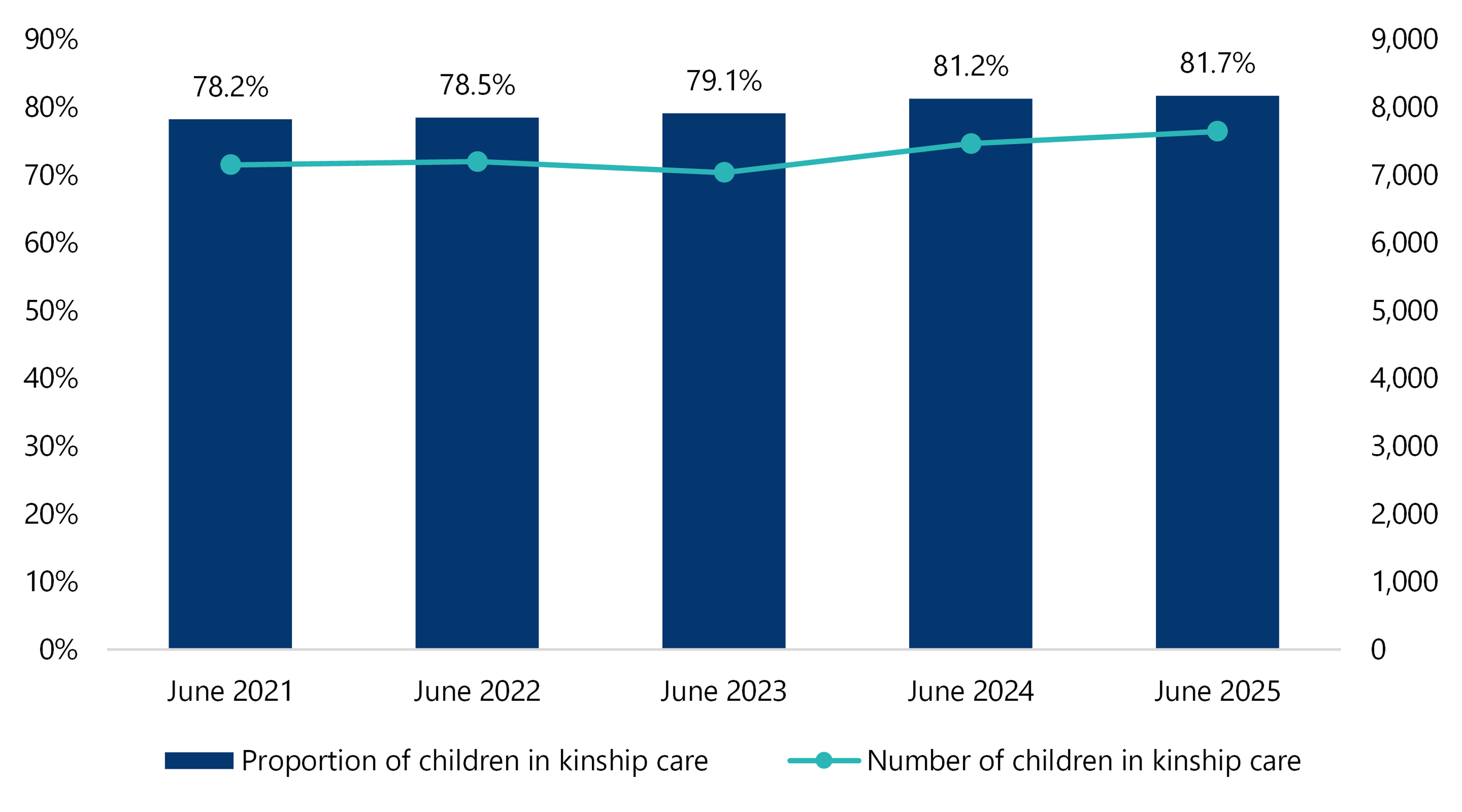
As Figure 2 shows, the department increased its use of kinship care, with the proportion of children in kinship care rising from 78.2 per cent at 30 June 2021 to 81.7 per cent at 30 June 2025. Over this period, the number of children in kinship care increased by 493.
In 2025, Victoria reported a higher proportion of children in kinship care compared to other Australian regions, where the rates ranged from 9 per cent in the Northern Territory to 55 per cent in New South Wales.
Figure 2: Proportion and number of children in kinship care between 30 June 2021 and 30 June 2025
Source: VAGO, based on CRIS data.
Placement patterns are becoming more consistent across Victoria, although some regional differences remain. By 30 June 2025, kinship care accounted for more than 80 per cent of placements in every division, with the department's West division exceeding 83 per cent.
This aligns with legislation and policies that prioritise kinship-first placements.
Children in foster care
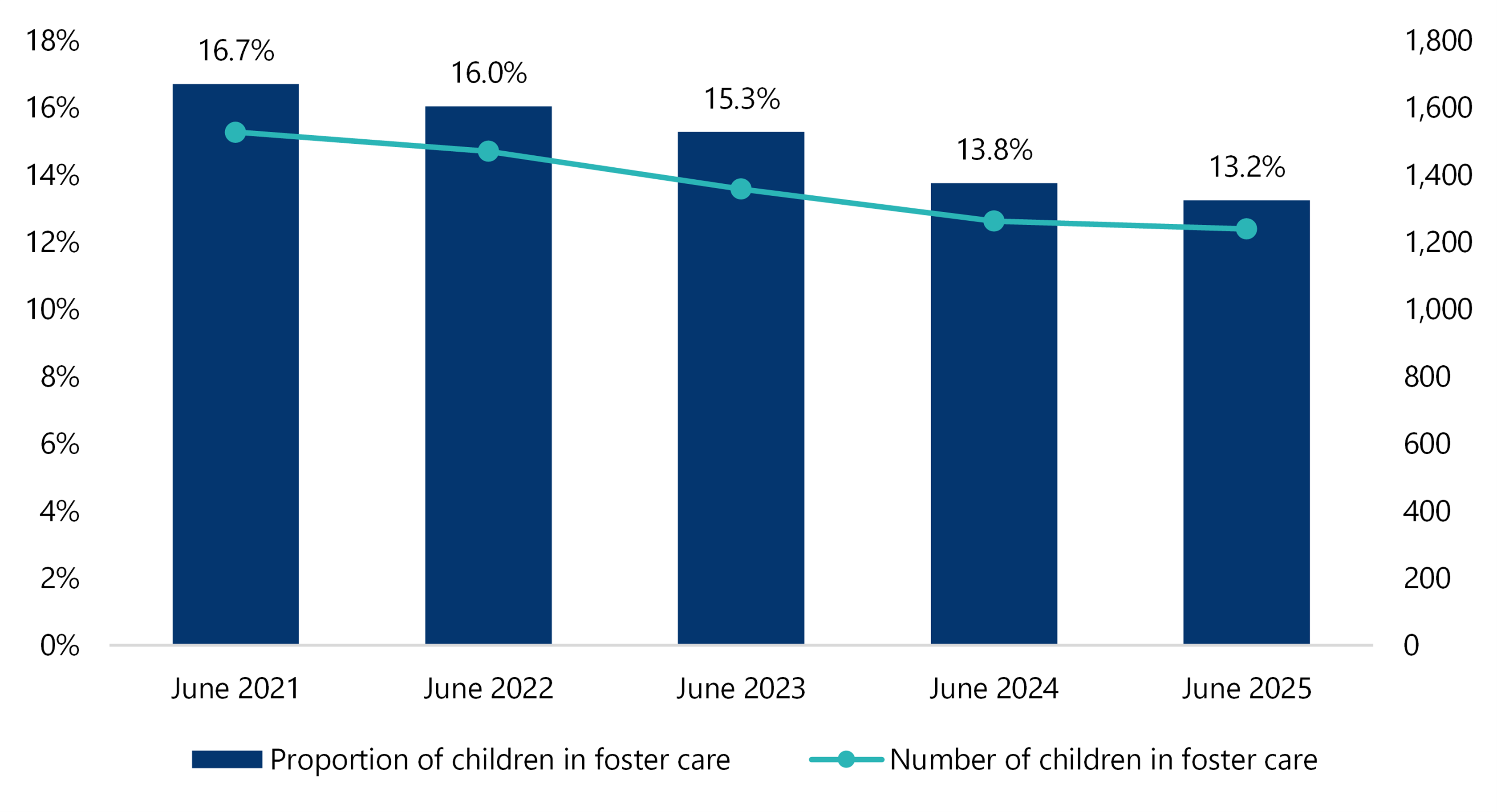
Foster care is a key component of Victoria’s home‑based out‑of‑home care system, providing placements for children who cannot be cared for by family or kin. Figure 3, shows the proportion of children in foster care declined consistently over the period, falling by 3.5 percentage points between 30 June 2021 and 30 June 2025. This represents a decrease of 288 children in foster care.
Figure 3: Proportion and number of children in foster care, 30 June 2021 to 30 June 2025
Source: VAGO, based on CRIS data.
Foster care placements declined across the department’s divisions from 30 June 2021 to 30 June 2025, most notably in the West division (from 17.2 per cent to 11.6 per cent) and the East division (from 15.5 per cent to 12.9 per cent).
Children in residential care
Residential care is generally a last resort for children who need out-of-home care.
The department advised that placement decisions are made on a case‑by‑case basis. In some circumstances, residential care may be assessed as the most appropriate placement option, based on the child’s individual circumstances and best interests.
This includes situations where children exhibit challenging behaviours or have complex needs, or where a short stay in residential care keeps siblings together until a suitable home based placement is available.
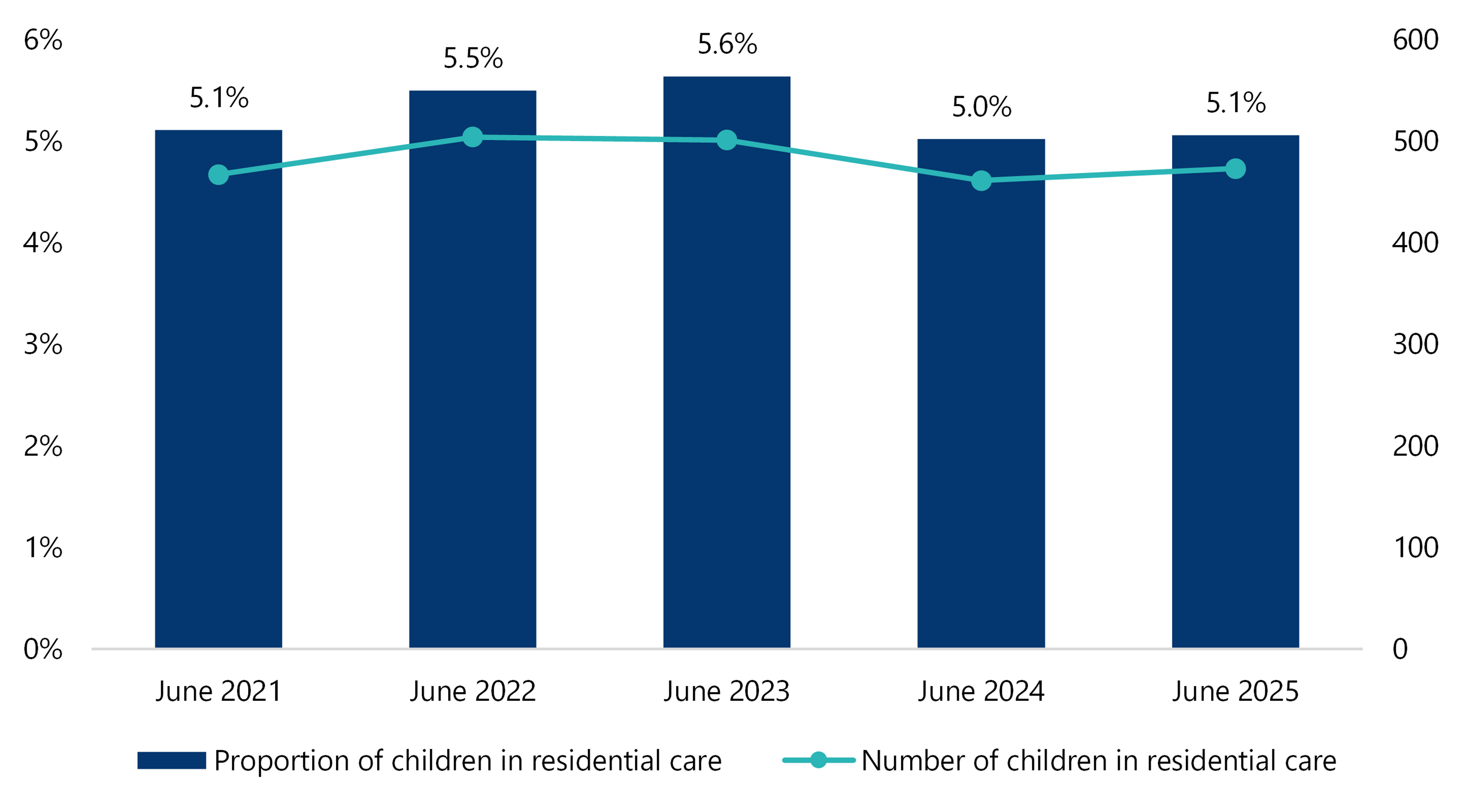
As Figure 4 shows, the proportion and number of children in residential care is relatively stable.
Figure 4: Proportion and number of children in residential care, 30 June 2021 to 30 June 2025
Source: VAGO, based on CRIS data.
In Victoria, residential care primarily serves children aged 12 to 17, with some exceptions. At 30 June 2025 children in residential care are 14.9 years old on average. But children under 12 are still present.
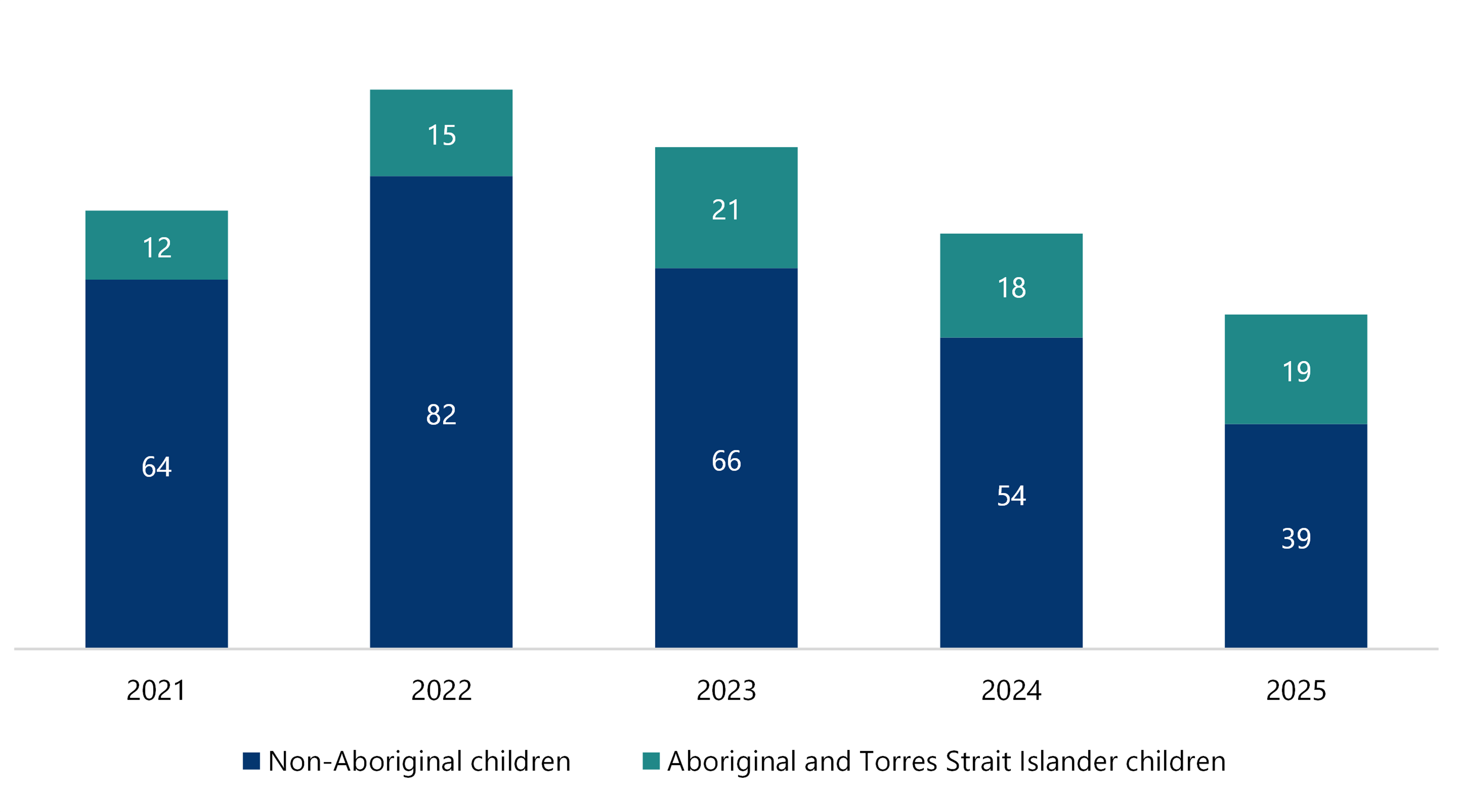
As Figure 5 shows, the number of children under 12 in residential care peaked at 30 June 2022 at 97 (19.2 per cent all children in residential care), then fell to 58 out of 473 (12.3 per cent) by 30 June 2025. Of the 58 children under 12 in residential care at 30 June 2025, 19 (32.8 per cent) are Aboriginal and Torres Strait Islander children.
Figure 5: Number of children under 12 in residential care, 30 June 2021 to 30 June 2025
Source: VAGO, based on department information.
Although there are fewer children under 12 in residential care as of 30 June 2025, their continued presence points to persistent shortcomings in placement availability.
There are limited placement options across care types
Kinship care trends
Kinship carer availability is restricted to a child’s family or kin network, limiting options compared to the broader pool available through foster care recruitment. Even with focused strategies, the number of potential kinship carers is constrained due to family circumstances, willingness and capacity to provide care.
The Victorian Carer Strategy Findings of the Home-based carer census 2021 report indicates kinship carers in Victoria:
- are mostly older, single women – often grandparents – who take on caregiving later in life
- usually have lower incomes and poorer health than foster carers, which adds financial and care challenges.
As Figure 6 shows, between January 2021 and January 2025:
- children in kinship care increased from 7,148 to 7,641 (7 per cent)
- kinship households increased 4,909 to 5,267 (7 per cent).
Figure 6: Number of kinship households and number of children in kinship care, June 2021 to June 2025
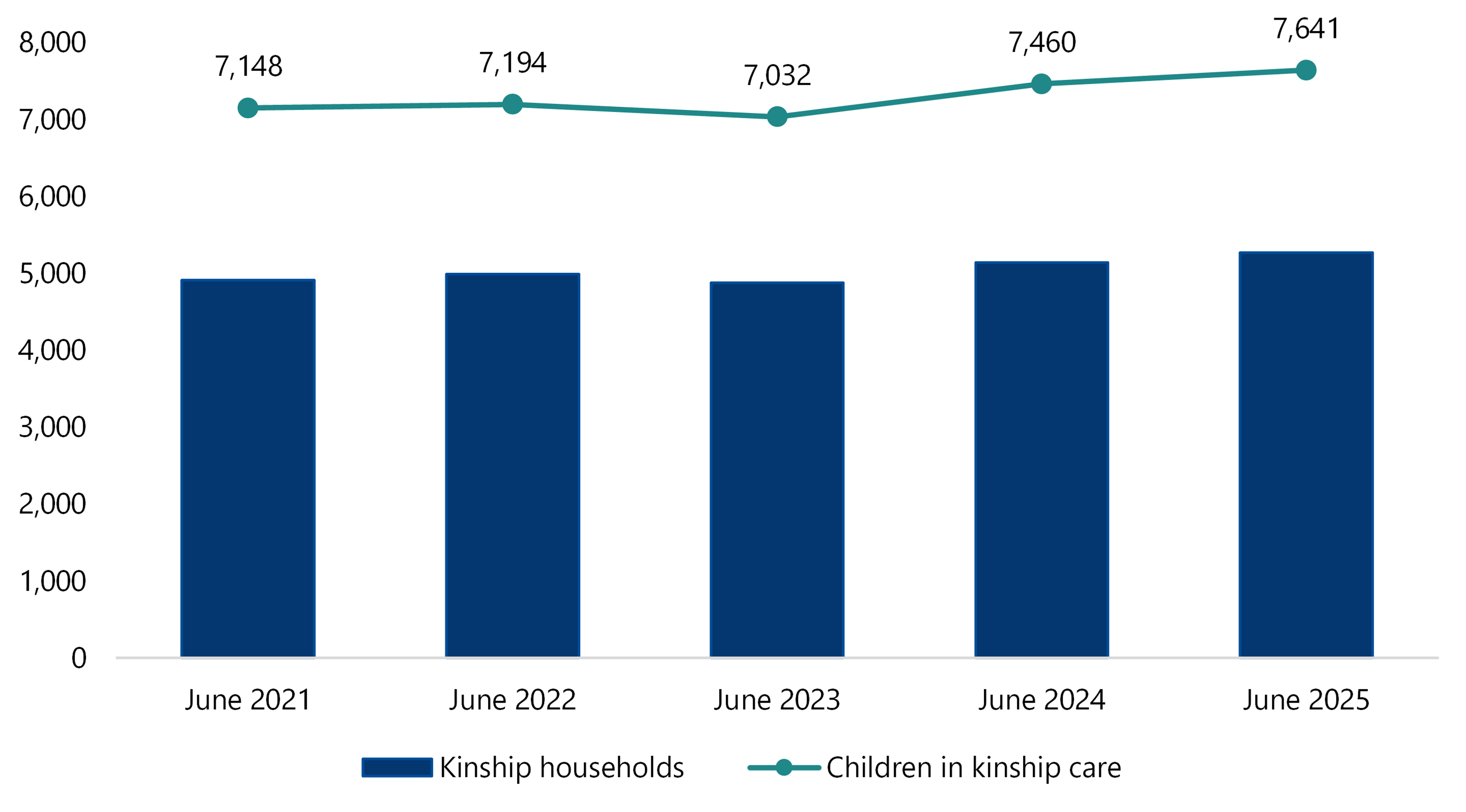
Note: The data represents a point‑in‑time snapshot and should be interpreted as indicative of overall trends rather than precise movements within each year. The number of kinship households and children in care differs as one household may include multiple children.
Source: VAGO, based on department information.
Foster care trends
The department tracks active foster carers within out-of-home care. Community service organisations and ACCOs are responsible for recruiting, assessing, training and accrediting foster carers, and for monitoring carers who are inactive or awaiting placement.
But the department does not routinely collate or monitor this information at a system level. As a result, it has limited visibility of the total pool of accredited foster carers who are not actively providing placements – a gap that can impact planning and recruitment efforts.
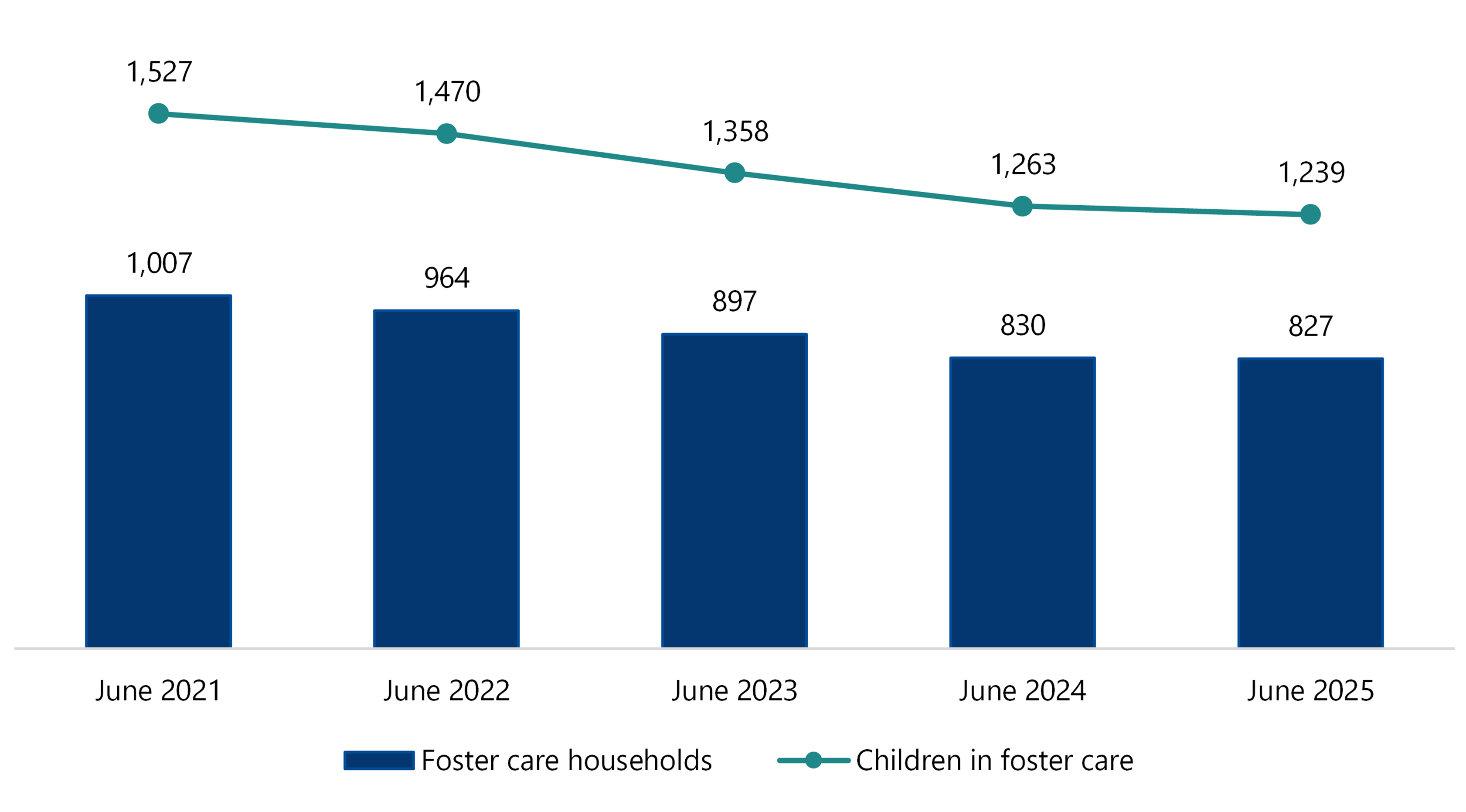
Department data in Figure 7 shows an 18 per cent decrease in active foster care households between 30 June 2021 and 30 June 2025.
FCAV collects annual point-in-time statistics from all foster care agencies and ACCOs in Victoria, specifically gathering data on both active carer households and those who are inactive. This includes carers currently providing care and accredited households who are not actively caring such as those on hold or taking a break.
The data shows declines across both groups during the same period. These reductions affect placements’ availability and stability for children.
Figure 7: Number of active foster carer households and number of children in foster care, 30 June 2021 to 30 June 2025
Source: VAGO, based on department information.
Care allowance levels contribute to lower carer numbers
Carer decline causes
The department has repeatedly advised government that falling carer numbers are a major risk to the out-of-home care system’s sustainability. It has identified ongoing challenges in recruiting and retaining foster carers, with low care allowance levels a key contributing factor, alongside insufficient therapeutic services for children with complex needs, limited in home support and gaps in training. Together, these factors have contributed significantly to carer attrition, poorer outcomes for children requiring care, and reduced capacity for the department to place children and young people in foster care.
The department pays carers a fortnightly allowance to help cover the costs of caring for a child.
This care allowance has 5 levels: level one supports basic care costs, while levels 2 to 5 provide additional support for children with greater needs.
| The department identified care allowances ... | which may lead to ... |
|---|---|
|
|
The FCAV Carer Census 2024 shows financial pressure is major reason foster carers leave or consider leaving, supporting the department’s advice to the government that low allowances reduce recruitment and retention.
Kinship and foster carers for younger children are especially impacted by low care allowance base rates. Figure 8 shows Victoria offers the lowest level one base allowance in Australia, with a broader age bracket (zero to 7 years) than other states, meaning higher allowances only apply from age 8.
The gap between Victoria and other states’ care allowances remains or grows with additional age based increases.
The existing allowance framework is an ongoing risk to system sustainability.
Figure 8: Fortnightly care allowances
| State or territory | Care allowance first age range ($) | Age range | Care allowance second age range ($) | Age range |
|---|---|---|---|---|
| New South Wales | 697 | 0–4 | 787 | 5–13 |
| Queensland | 652 | 0–5 | 702 | 6–10 |
| Australian Capital Territory | 639 | 0–4 | 717 | 5–14 |
| Tasmania | 554 | 0–4 | 663 | 5–11 |
| Northern Territory | 531 | 0–5 | 568 | 6–9 |
| South Australia | 528 | 0–4 | 594 | 5–12 |
| Western Australia | 481 | 0–6 | 577 | 7–12 |
| Victoria | 457 | 0–7 | 473 | 8–10 |
Note: Updated November 2025. Care allowance rates are based on publicly available and sourced information. Rates can change depending on budget cycles and annual indexation updates. Tasmania’s calculation is based on the 15 per cent increase in base rate effective 7 November 2025. South Australia's calculation includes allowances for education and activities. Western Australia's calculation includes allowances for clothing and other household expenses.
Source: VAGO, based on information from FCAV.
4. Meeting children’s needs in out-of-home care
Meeting the needs of all children in out-of-home care remains challenging, especially for Aboriginal and Torres Strait Islander children and those with complex needs.
Victoria has the highest rate of Aboriginal and Torres Strait Islander children in out of home care across Australia and the number is still rising. There has not been much progress towards Closing the Gap targets.
Although sibling placement has improved slightly, many children are still separated from their siblings. Placement stability is strongest in kinship care, while children in residential care face more frequent changes.
Covered in this section:
- Aboriginal and Torres Strait Islander children are still over-represented in out-of-home care
- Keeping siblings together is an ongoing challenge
- There are differences in placement stability across care types
Aboriginal and Torres Strait Islander children are still over-represented in out-of-home care
Aboriginal Child Placement Principle
The placement principles set out that Aboriginal and Torres Strait Islander children in out-of-home care must be placed with family or community when possible.
The placement principles are not the only consideration in placement decisions. A child’s physical and emotional safety must always come first.
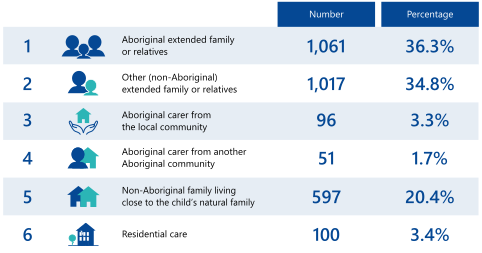
As Figure 9 shows, the majority of Aboriginal and Torres Strait Islander children in out-of-home care (71.1 per cent) are placed with relatives – Aboriginal and Torres Strait Islander or non Aboriginal – in line with the placement principles’ objectives. This has stayed mostly consistent between 30 June 2021 and 30 June 2025.
Figure 9: The placement of Aboriginal and Torres Strait Islander children across the placement principles hierarchy, 30 June 2025
Note: These numbers do not add up to 100 per cent due to rounding.
Source: VAGO, based on department information.
Persistent over-representation
Despite strengthened legislation and policy intent, Aboriginal and Torres Strait Islander children are still over-represented in out-of-home care.
The rate at which Aboriginal and Torres Strait Islander children enter out-of-home care in Victoria is still about 22 times higher than non-Aboriginal children. This is almost double the national average, where Aboriginal and Torres Strait Islander children are removed at a rate 12 times higher than non-Aboriginal children.
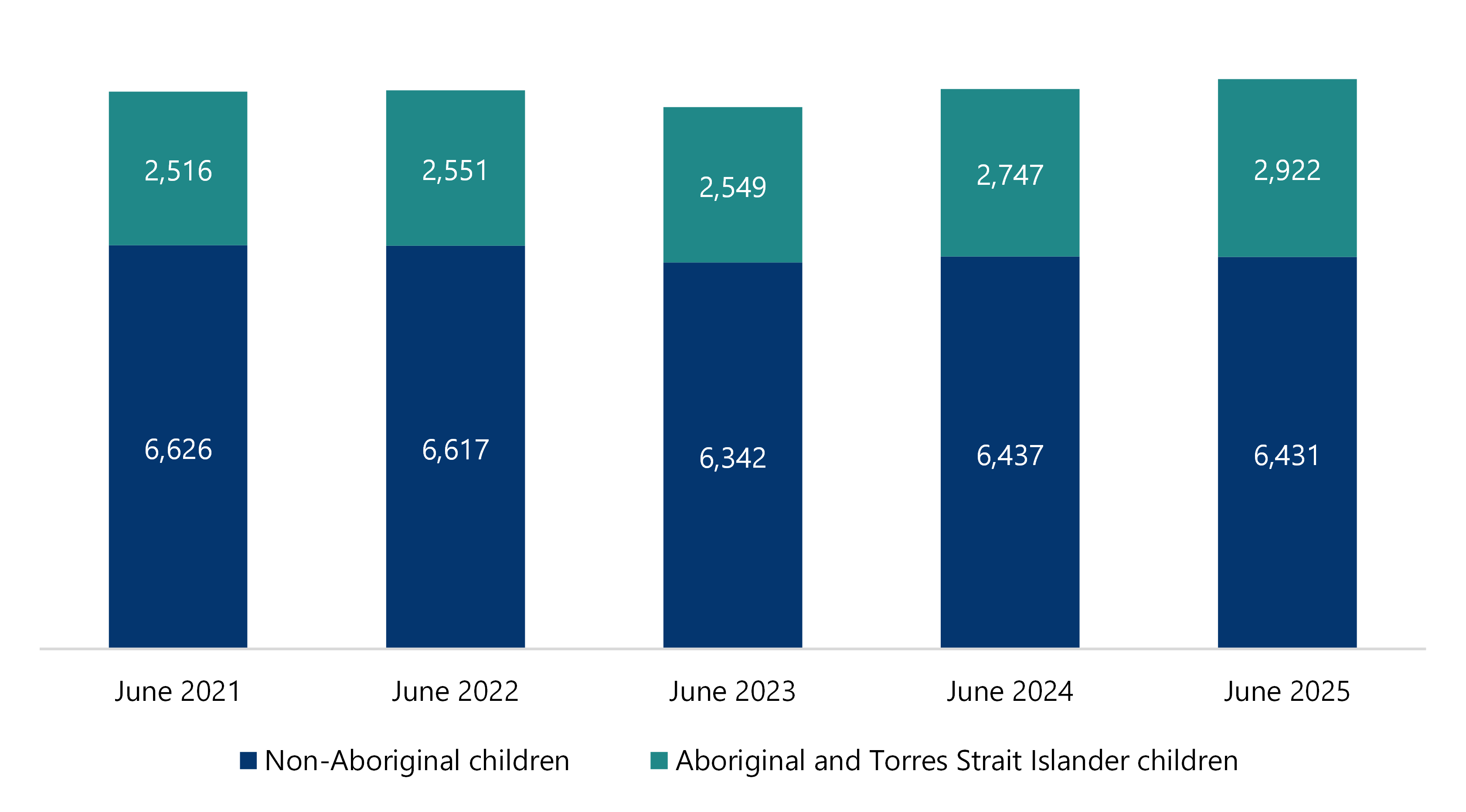
As Figure 10 shows, there were 2,922 were Aboriginal and Torres Strait Islander children in out‑of‑home care at 30 June 2025, representing 31.2 per cent of all out-of-home care placements compared with 2,516 children (27.5 per cent) at 30 June 2021.
Since 30 June 2021 there has been a 16.1 per cent increase in the number of Aboriginal and Torres Strait Islander children in out-of-home care. Over the same period, the number of non-Aboriginal children in out-of-home care declined by 2.9 per cent to 6,431.
The department's projections indicate that the number of Aboriginal and Torres Strait Islander children entering care will continue to grow at a rate significantly higher than non-Aboriginal children.
Figure 10: Number of non-Aboriginal children and Aboriginal and Torres Strait Islander children in care between 30 June 2021 and 30 June 2025
Source: VAGO, based on department information.
Closing the Gap targets
Victoria entered the Closing the Gap in July 2020, committing to reduce the rate of Aboriginal and Torres Strait Islander children in out-of-home care by 45 per cent by 2031, equivalent to approximately 1,345 children.
But as Figure 11 shows, in 2025 the department projected the number of Aboriginal children in care will grow to around 3,709 by 2031, rather than decline.
This suggests that current efforts have not yet translated into changes required to meet the target. The department advised that some initiatives relevant to this outcome are in the early stages of implementation or have limited coverage, and that additional time may be required before their effects are observable at a system level.
Figure 11: Victoria's progress toward Closing the Gap target for Aboriginal and Torres Strait Islander children in out-of-home care
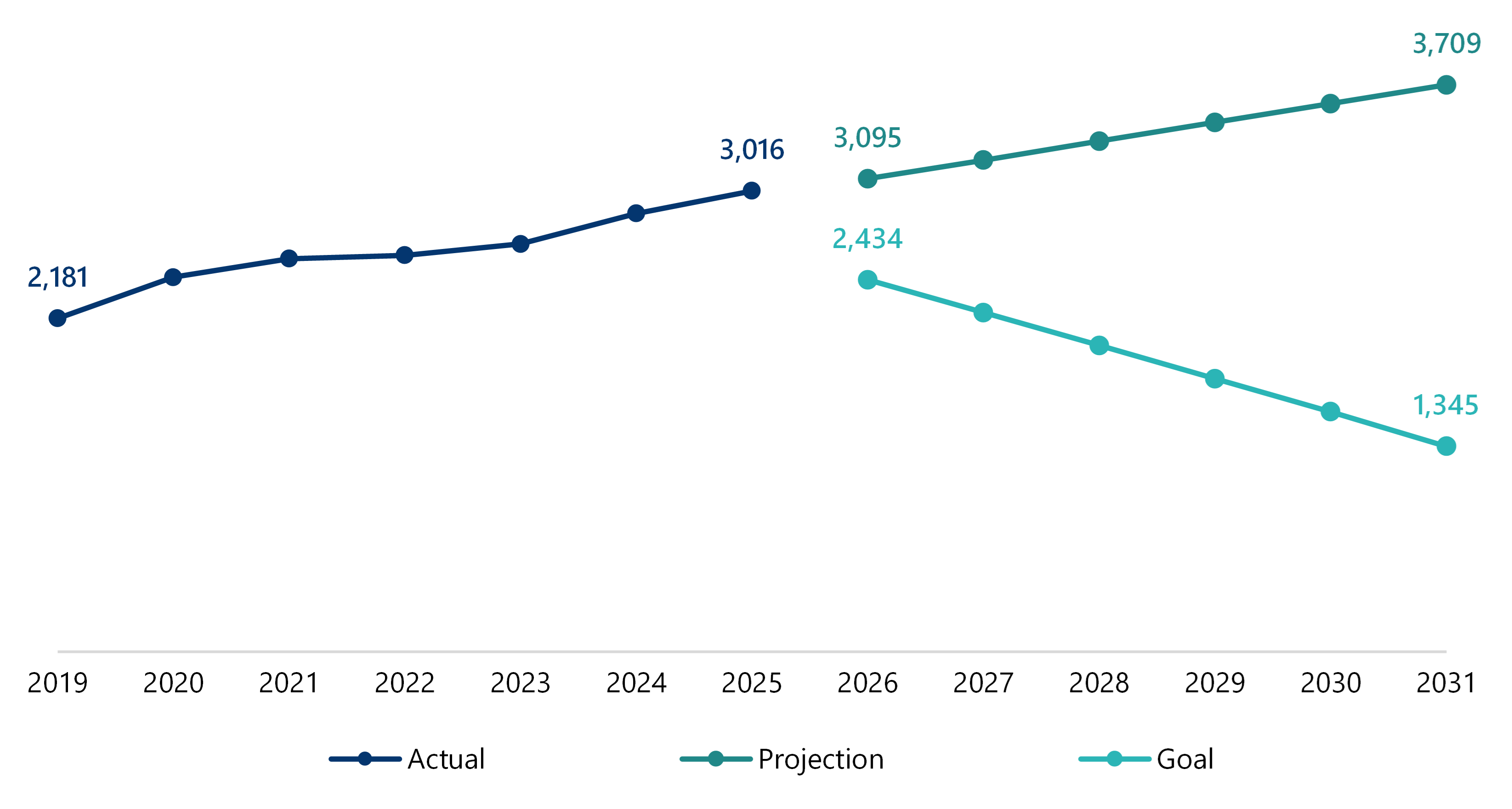
Note: Figures are as at 30 June each year. The actual number for 2025 (3,016) is different to the 2,922 number in Figure 10 because of different count rules and data extraction dates.
Source: VAGO, based on department information.
Aboriginal Community Controlled Organisations
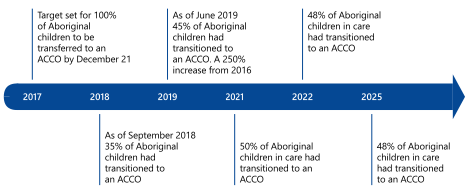
In 2017, the Victorian Government committed to Aboriginal self-determination through the Aboriginal Children’s Forum – a formal partnership between government and Aboriginal organisations – and the Wungurilwil Gapgapduir: Aboriginal Children and Families Agreement Strategic Action Plan. This included transferring responsibility for all Aboriginal and Torres Strait Islander children in out-of-home care to ACCOs which are better equipped to provide culturally safe care.
This transfer was scheduled for December 2021, but the department has not met that target.
As Figure 12 shows, only 50 per cent of Aboriginal and Torres Strait Islander children had their cases moved to ACCOs by 2021, and this fell slightly to 48 per cent by 2025.
Figure 12: Progress in transferring responsibility for all Aboriginal and Torres Strait Islander children in out-of-home care to ACCOs
Source: VAGO, based on department information.
The department acknowledged that not meeting the target to transfer Aboriginal and Torres Strait Islander children to ACCOs undermines Aboriginal-led decision making and self-determination, and limits progress toward closing the gap.
The department advised that efforts to address barriers to transferring children to ACCOs are being progressed through the Aboriginal Children’s Forum and associated reforms, including increased investment in Aboriginal-led care arrangements since 2023.
The department also advised that a refreshed Wungurilwil Gapgapduir: Aboriginal Children and Families Agreement Strategic Action Plan aims to expand the transfer of Aboriginal and Torres Strait Islander children to ACCOs more broadly, supported by changes to funding arrangements intended to strengthen ACCOs’ capacity to support Aboriginal and Torres Strait Islander children and families.
Keeping siblings together is an ongoing challenge
Sibling placement trends
Figure 13 shows sibling placements in out-of-home care from 30 June 2021 to 30 June 2025. During this period, the percentage of children:
- separated from all siblings fell
- living with some, but not all, siblings remained relatively stable
- placed with all their siblings grew.
Partial and complete sibling separations highlight the department’s ongoing difficulties in complying with the Act and placement principles.
Figure 13: Percentage of children placed alone or with siblings, 30 June 2021 to 30 June 2025
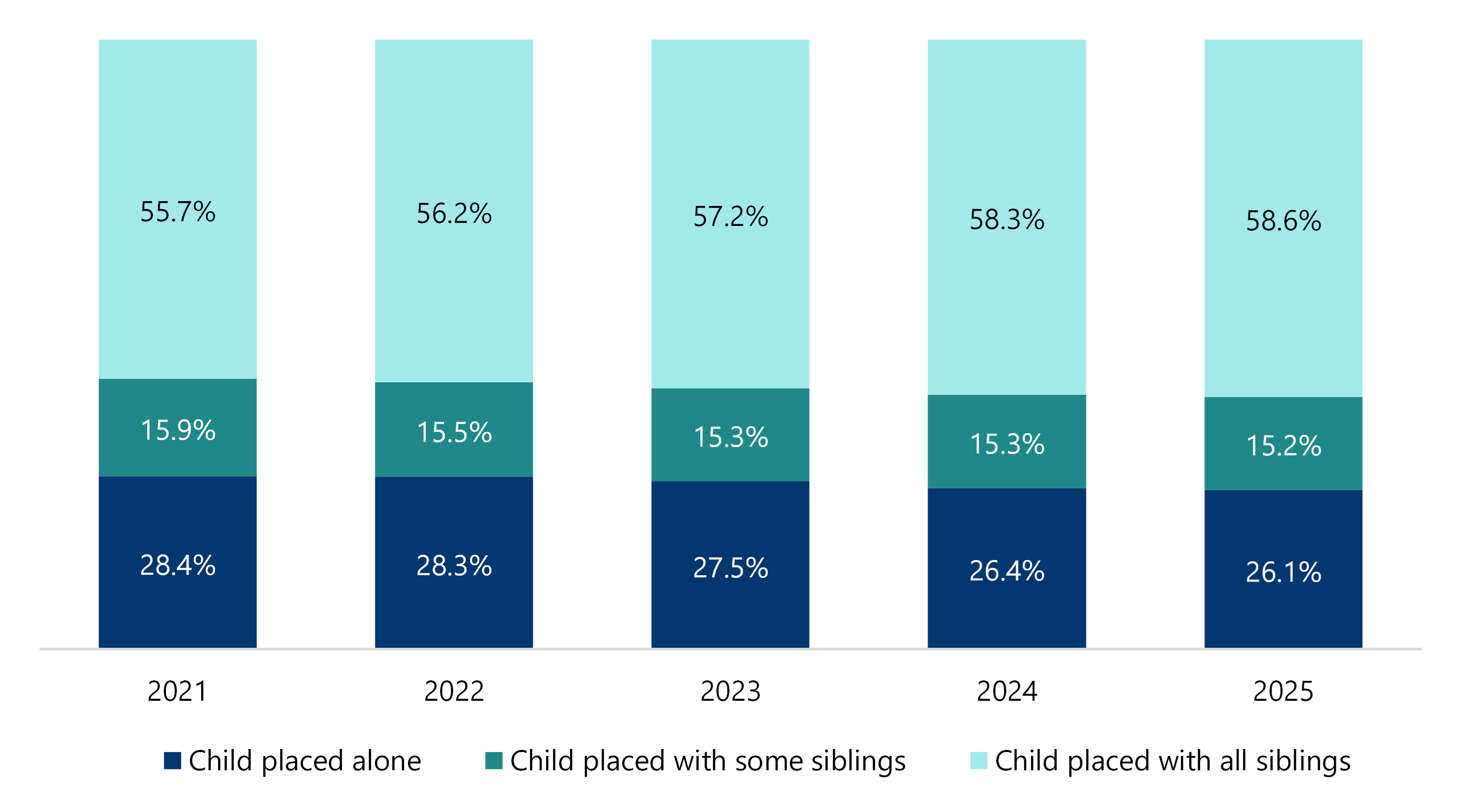
Note: The analysis excludes children with no siblings in out-of-home care. Percentages are calculated only for children with at least one sibling in care. A family identification is not available in the department’s CRIS data for 13.9 to 15.9 per cent of children in out-of-home care over the period, limiting the ability to identify all sibling relationships. These numbers do not add up to 100 per cent due to rounding.
Source: VAGO, based on department information.
Sibling placement challenges
Supporting sibling groups to stay together in care continues to be an ongoing challenge in Victoria. For example, the Commission for Children and Young People (CCYP) 2019 report In our own words found that 41 per cent of children in out-of-home care with siblings are separated from one or more of them.
In its advice to the government, the department has consistently identified keeping siblings together as a major and ongoing system challenge. These challenges include:
- constrained home‑based care capacity and a shortage of suitable placements for sibling groups, particularly larger groups and siblings of different ages, which makes it difficult to place siblings together and often results in separation or placement in residential care.
- limited system capability to track sibling relationships, placement decisions and outcomes, reducing the ability to monitor separation and support reunification over time.
As a result, the department has identified increased risks of adverse outcomes for children arising from early sibling separation, including emotional distress, placement instability, and poorer mental health and educational outcomes.
These challenges largely reflect a shortage of suitable placements for sibling groups, especially larger ones, and inadequate planning and support to keep siblings together.
Disparities
At 30 June 2025 more than half of children were placed with all their siblings. But more than a quarter were placed completely apart from siblings. Figure 14 shows sibling placement outcomes across selected care cohorts at 30 June 2025.
Rates of sibling separation at 30 June 2025 are slightly higher for Aboriginal and Torres Strait Islander children and highest for children with disability (more than a third). This reflects ongoing challenges in finding appropriate placements for these children.
The department advised that higher rates of sibling separation for Aboriginal and Torres Strait Islander children reflect a range of longstanding and structural challenges. These include difficulties in identifying kinship networks, which may be affected by incomplete or inaccurate records and the complexity of family and social structures. Aboriginal and Torres Strait Islander families with children in care tend to have larger sibling groups on average, which can make it more challenging to identify placements able to accommodate siblings together.
The department also advised that recent legislative changes are intended to support keeping Aboriginal and Torres Strait Islander children and their siblings together by enabling broader authorisation arrangements through ACCOs. Work to implement these changes is ongoing and is intended to improve placement options and support family and sibling connections over time.
Figure 14: Sibling placement according to cohort, 30 June 2025
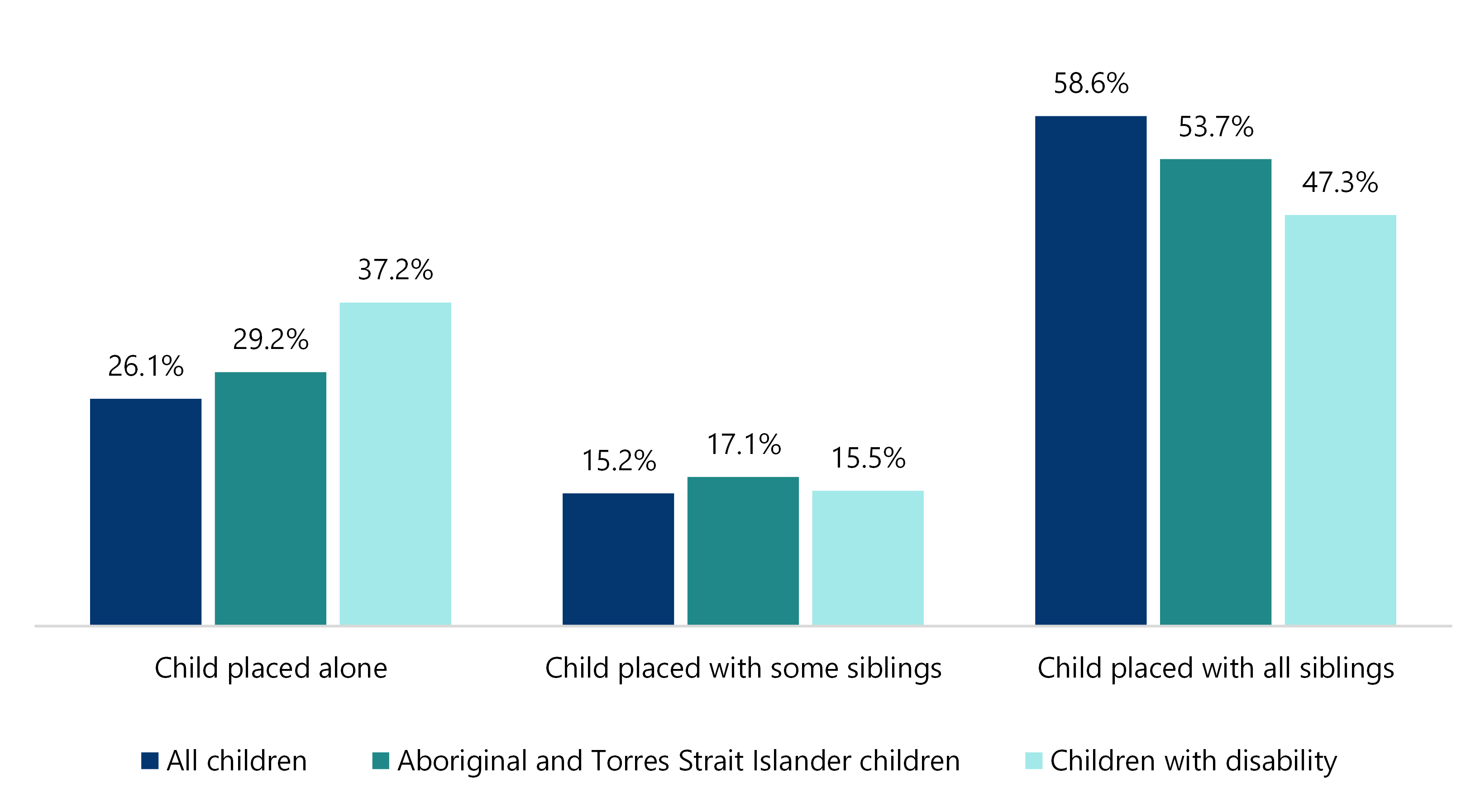
Note: These numbers do not add up to 100 per cent due to rounding.
Source: VAGO, based on department information.
Initiatives
The department launched the Keeping Connected program in its South division in 2021 to build capacity within the home-based care system to better support sibling groups requiring placement together and to improve opportunities for meaningful contact where siblings are placed separately, particularly for children with complex needs.
The program features:
- short-term foster care: sibling groups (a maximum of 6 siblings or 2 sibling groups per carer) are placed together for up to 5 weeks during assessment and planning
- therapeutic plans: community service organisations and ACCOs develop tailored plans to support sibling group placement stability or reunification, with the Victorian Aboriginal Child Care Agency supporting culturally appropriate and safe service responses for Aboriginal and Torres Strait Islander siblings
- contact plans: structured arrangements to maintain connections when siblings cannot live together.
An analysis of placement outcomes from 2021 to 2025 in Figure 15 shows that even though the program was implemented, the South division did not see improved sibling placement results compared to other divisions.
The department advised that divisional sibling placement outcomes are influenced by broader system factors, including foster care placement availability and overall demand within each division. While placing siblings together is preferred, the department noted this is not always possible or appropriate, particularly where safety concerns, complex behaviours, differences in age or developmental stage, or timing of care needs affect placement decisions.
Figure 15: Percentage point change in sibling placement outcomes by division, 30 June 2021 to 30 June 2025
| Division | Alone | Some siblings | All siblings |
|---|---|---|---|
| East | −2 | 0 | 3 |
| North | 0 | 3 | −2 |
| South | −2 | 0 | 2 |
| West | −4 | −3 | 7 |
Source: VAGO, based on department information.
Despite the lack of broad improvement in South division sibling placement outcomes, departmental reviews show the Keeping Connected program has delivered benefits for some high complexity sibling groups, particularly larger groups, including strengthening sibling relationships, supporting therapeutic home based work, and improving continuity of sibling contact where children cannot be placed together.
Case study 1: How the Keeping Connected program keeps siblings together
Keeping Connected program
Through the Keeping Connected program, a group of 6 Aboriginal siblings were supported to return to Country in Alice Springs, to live with their paternal grandmother and grandfather, both community Elders.
Placing the children with their grandparents allowed them to stay together while the Victorian Aboriginal Child Care Agency developed a therapeutic plan informed by recommendations from health services.
The child protection practitioner made sure the plans were shared and understood by the grandmother. The department paid for her to travel to Melbourne to reconnect with her grandchildren and get support.
Source: VAGO based on department information.
There are differences in placement stability across care types
Placement stability
The Act and placement principles emphasise the need for stable out-of-home care, noting that frequent moves can harm children's development and wellbeing.
Placement changes may be planned, such as moving to live with relatives, or unplanned, due to carers ending care or children choosing new placements.
Placement stability by care type
As Figure 16 shows, placement stability varies significantly by care type, with kinship care the most stable (averaging 2 overall) and residential care the least stable (averaging 11 placements over 4 to 5 years) and with differences widening over time.
Figure 16: Average number of placements of children in out-of-home care, by placement type and duration in out-of-home care, 30 June 2025
| Years in out-of-home care | Kinship care | Foster care | Residential care |
|---|---|---|---|
| Less than one year | 1.8 | 4.1 | 4.7 |
| 1–2 years | 2.1 | 5.0 | 6.4 |
| 2–3 years | 2.1 | 5.2 | 8.9 |
| 3–4 years | 2.4 | 6.6 | 8.3 |
| 4–5 years | 2.0 | 5.2 | 11.0 |
| Overall (average) | 2.0 | 4.9 | 6.0 |
Note: Figures are based on children entering care for the first time from 1 July 2020 to 20 June 2025 and remaining in an active placement at the end of 30 June 2025.
Source: VAGO, based on department information.
Figure 17 shows as at 30 June 2025, 76 per cent of children in out-of-home care for less than 12 months experienced more stable placements (one or 2 placements), increasing to 96 per cent for those in out-of-home care for 4 to 5 years.
But no improvement in placement stability was evident between 2022 and 2025.
Figure 17: Percentage of children in out-of-home care, in stable placements, 30 June 2022 to 30 June 2025
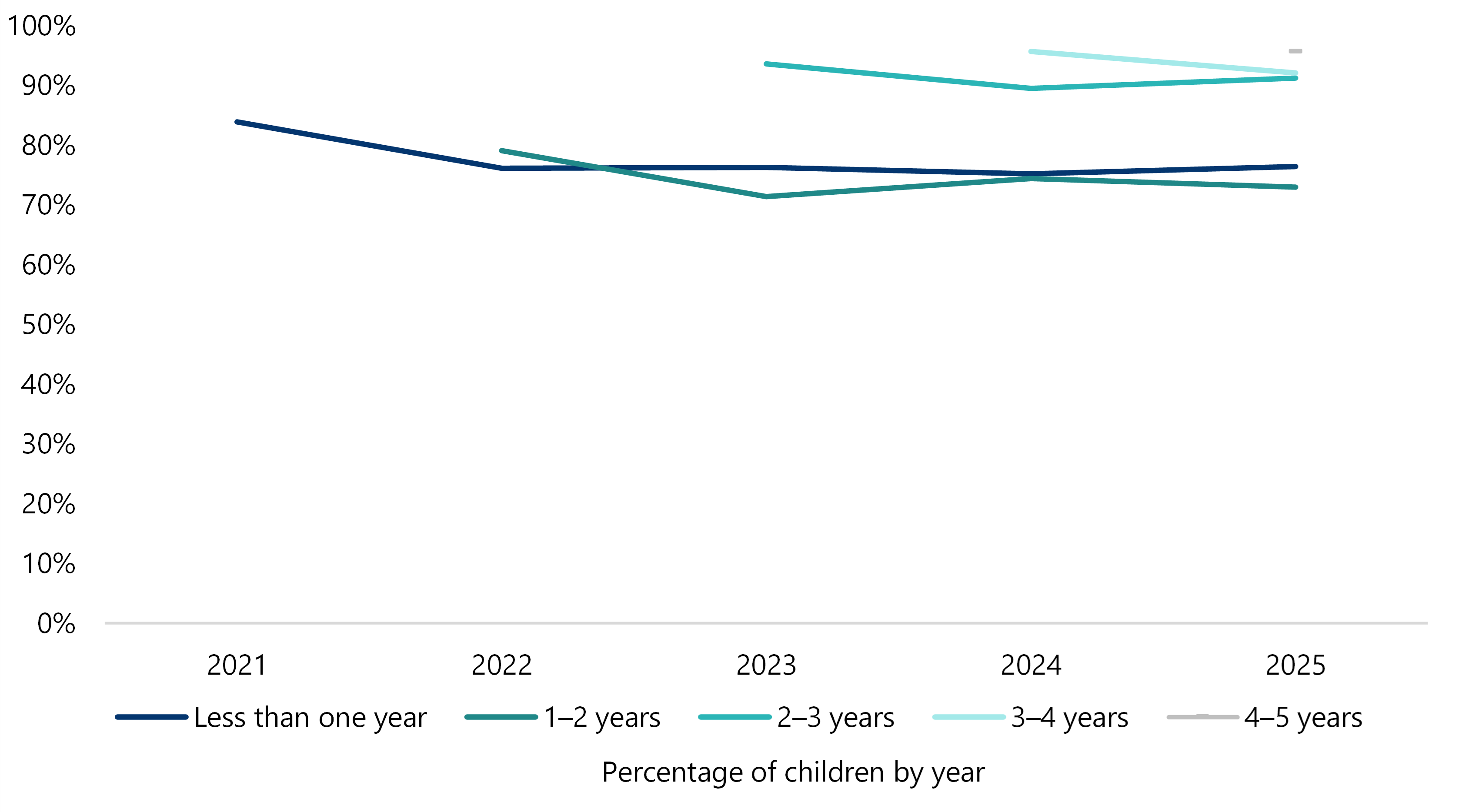
Note: The discrepancy between reported metrics may be attributable to children who entered out-of-home care for the first time before 1 July 2025.
Source: VAGO, based on department information.
Differences in stability across cohorts
Aboriginal and Torres Strait Islander children were only marginally more likely to experience more placement changes than non‑Aboriginal children, averaging 2.3 placements compared with 2.2 for other children entering out-of-home care since 1 July 2020.
Older children experienced more placement changes, with children aged 15 to 17 in care for less than one year averaging 2.5 placements, compared with 1.9 for children aged zero to 4.
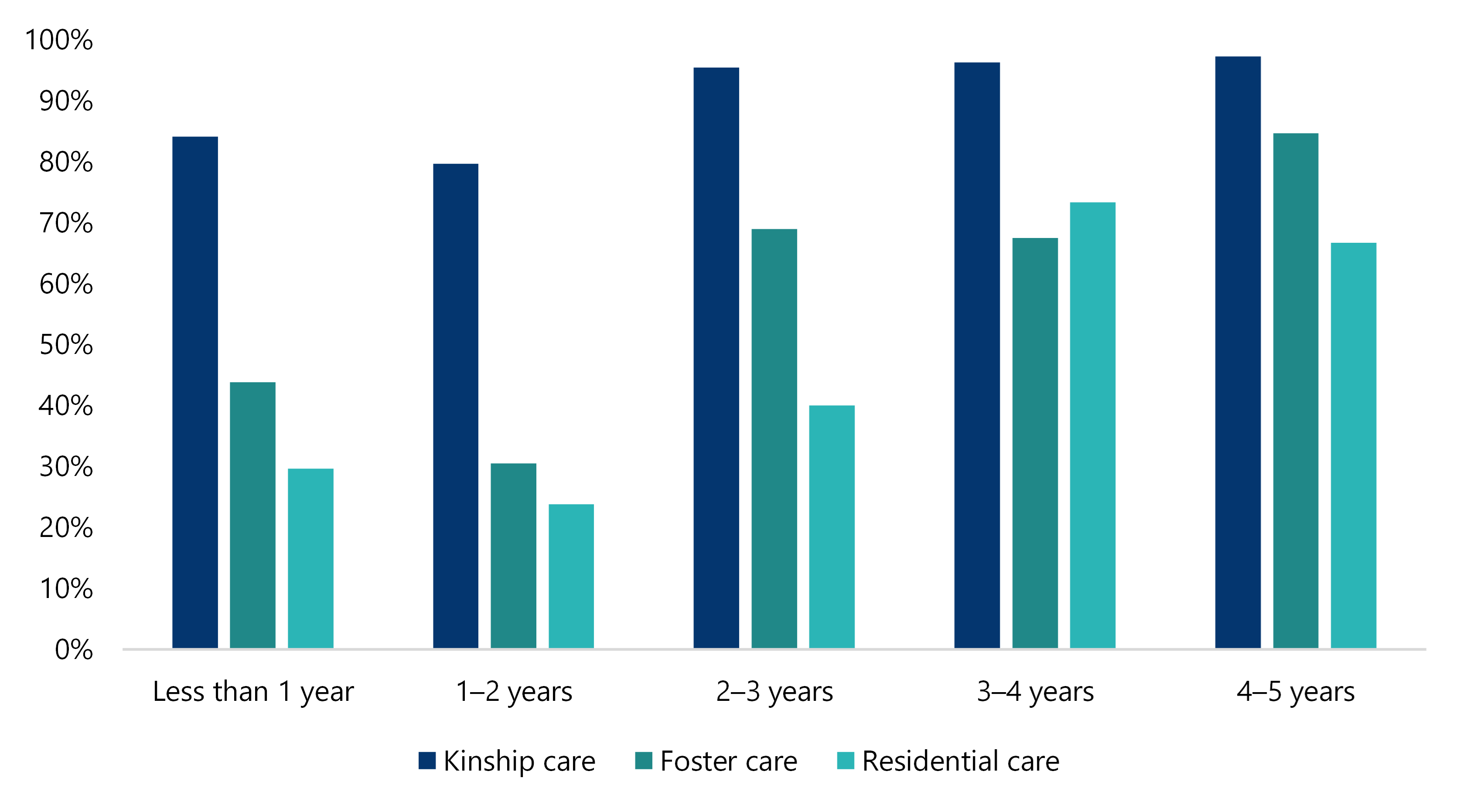
Figure 18 shows that children placed with relatives or kin were less likely to change placements than those placed with foster carers or in residential care.
Figure 18: Percentage of children in care with stable placements by duration and care type
Source: VAGO, based on department information.
5. Using data to understand children’s needs
Longstanding data quality and system limitations continue to limit the department’s understanding of children’s needs in the out-of-home care system. Relying on an outdated data system limits the data’s accuracy, completeness and usability for placement decisions and planning.
The department’s ability to anticipate demand and plan effective service responses is also limited by the forecasting models it uses.
Covered in this section:
- There are longstanding issues with out-of-home care data quality
- More children with complex needs are entering care but are not reflected in the data
- There are weaknesses in how the department allocates care allowances
- The department’s demand forecasting could be improved
There are longstanding issues with out-of-home care data quality
Data issues
The department records information about children in out-of-home care in its CRIS, which has been in use since 2005 and is the primary place for recording out-of-home care data.
Our previous audits, as well as Victorian Ombudsman and CCYP reviews, have identified recurring problems with child protection data.
Figure 19 summarises these audits and their data quality concerns.
Figure 19: Previous audits and reviews about child protection data quality
| Review | Year | Data quality issues raised |
|---|---|---|
| Victorian Ombudsman, Own motion investigation into the Department of Human Services – Child Protection Program | 2009 | Significant concerns about CRIS’s adequacy and its ability to meet the child protection system’s needs. |
| VAGO, Residential Care Services for Children | 2014 | CRIS is cumbersome and disorganised. Manual handling of critical information also raises questions about its reliability. |
| Victorian Government, Royal Commission into Family Violence | 2016 | Outdated IT systems hinder information sharing between child protection, family violence, and human services agencies. |
| CCYP, In our own words | 2019 | CRIS data has limitations in completeness, consistency and analytical usefulness. Reliance on practitioner data entry and point‑in‑time extracts limits its reliability for performance and outcome reporting without additional validation. |
| CCYP, In our own words | 2021 | Critical information for completing risk assessments is ‘often buried in free-text fields with limited search capacity’. It also found inconsistent data collection systems and practices. |
| VAGO, Kinship Care | 2022 | The department does not have a data dictionary to define CRIS data elements, nor did it comply with the Victorian Government’s Data Quality Guideline, which requires agencies to set and maintain quality standards for critical datasets. These gaps reduce confidence in the reliability of CRIS data. |
| VAGO, Quality of Child Protection Data | 2022 | Many CRIS profiles have incomplete, inaccurate, or inconsistent details – such as missing personal, court, or child development information – which restricts the department’s ability to make informed decisions for vulnerable children. |
Source: VAGO.
System limitations
The department has previously advised the government of critical shortcomings in child protection information systems, including CRIS, that pose risks to client safety, workforce sustainability and legal compliance, and has provided advice on addressing these shortcomings.
Figure 20 shows how system limitations affect practice and outcomes according to the department’s advice.
Figure 20: System issues and impact according to the department
| Issue | Why it matters |
|---|---|
| Key information recorded in free‑text notes, spreadsheets or emails rather than structured system fields | Limits visibility of needs and prevents system-wide analysis |
| No single view of a child’s history, needs or service involvement | Increases the risk of missed information, duplicated assessments and inconsistent decisions |
| Systems cannot reliably track key indicators | Delays responses to risk and limits the department’s ability to assess effectiveness of services |
| Reliance on spreadsheets, paper records and emails to track children, incidents and court information | Introduces data quality risks and delays |
| Time spent searching for information, duplicating data entry and correcting data errors | Reduces time for direct work with children and families |
| Inability to easily report on children’s needs, complexity or outcomes at a population level | Limits the department’s service planning |
Source: The department.
To address longstanding issues, the department initiated the Communities and Families Transformation Program in 2023. Through this program, the department advised it has delivered targeted and incremental improvements to CRIS to address specific data quality, workload and system integration issues identified in our 2022 Quality of Child Protection Data audit.
But these changes were not intended to resolve all underlying system limitations. The department has sought but not received funding for more substantial system reform to address broader information systems shortcomings. The department told us it intends to continue to seek funding from the government.
While recent system enhancements have improved some aspects of data quality and reduced administrative burden, significant risks remain. The department’s CRIS Data Quality Statement – developed in response to our 2022 Quality of Child Protection Data report – attributes these ongoing issues to:
- system complexity and high data volumes
- significant administrative burden on practitioners
- inconsistent data entry practices across the workforce.
Some existing validation controls test formatting rather than content accuracy, which can allow data quality issues (for example, incorrect dates) to be accepted where formatting rules are met.
Using free text fields further limits validation and makes it difficult to assess data completeness. The scope and breadth of information that needs to be recorded in CRIS data impacts data entry and processing timeliness.
More children with complex needs are entering care but are not reflected in the data
Complex needs data
The department’s advice to the government highlights that children entering out-of-home care increasingly present with complex needs. But its current data systems are not designed to record or analyse this information in a structured way.
The department's understanding of the rising complexity is shaped by a range of sources, including external reviews, practitioner observations and qualitative data captured in CRIS.
But since CRIS is not fit for purpose this makes comprehensive analysis and trend identification difficult.
Data about children’s needs is frequently spread across free text case notes, and supported by information contained in attachments such as emails. This limits visibility at key decision points.
Earlier advice to the government similarly identified:
- rising complexity among children entering out-of-home care
- increasing difficulty supporting children within home-based care
- insufficient specialist supports for carers.
Together these sources point to system-level issues rather than isolated practice ones.
There are weaknesses in how the department allocates care allowances
Care allowance levels
We sought to use care allowance levels recorded in the department’s finance system and disability status recorded in CRIS to measure how complex needs are for children in out-of-home care.
While informative, these indicators provide only a limited view of children’s care needs. But they do highlight the underlying weaknesses in the department’s current capacity to systematically record, monitor and analyse the complexity of children’s needs across the system.
The department’s care allowance policy outlines eligibility, allowance levels and procedures for supporting carers of children in home-based care. Allowances range from level one (basic care costs) to level 5 (complex care).
Kinship and foster placements are automatically eligible for the level one care allowance. For foster care placements, the department may determine that a higher care allowance level is required at the time of placement, based on information about the child’s needs and complexity.
For kinship care placements, the department commences carers at level one to ensure payments start quickly and then assesses the child’s needs after placement to determine the appropriate care allowance level. All assessments consider the child’s age and needs, are recorded in CRIS, reviewed regularly, and involve input from carers and relevant agencies. Structured tools guide kinship care assessments.
But a recent department care allowance management internal audit identified significant weaknesses that limit confidence in how accurate allowance data is as a proxy for complexity. These include inconsistent application care allowance policy and procedures, limited guidance for approving higher-level allowances, a lack of monitoring of approvals for levels 4 and 5 and the inconsistent completion of annual care allowance reviews.
These weaknesses increase the risk that allowance levels do not consistently or accurately reflect children’s current care needs.
While the department’s data shows an increase in the proportion of children receiving higher care allowance levels in both foster and kinship care between 2021 and 2025, these trends must be considered in the context of the identified control and data quality issues.
In particular, the internal audit found substantial variation in the proportion of level 4 and 5 allowances across divisions, offices and foster care agencies, suggesting that allowance levels may be influenced by local practice differences rather than consistent assessment of need.
Disability status
Disability status is an important factor in placement complexity, and accurate recording supports appropriate placement decisions and reduces the risk of early disruption.
While the department records disability status in CRIS, this information was missing for 3 to 5 per cent of children between 30 June 2021 and 30 June 2025. This indicates there are gaps in needs related data completeness and accuracy, limiting needs assessments’ reliability.
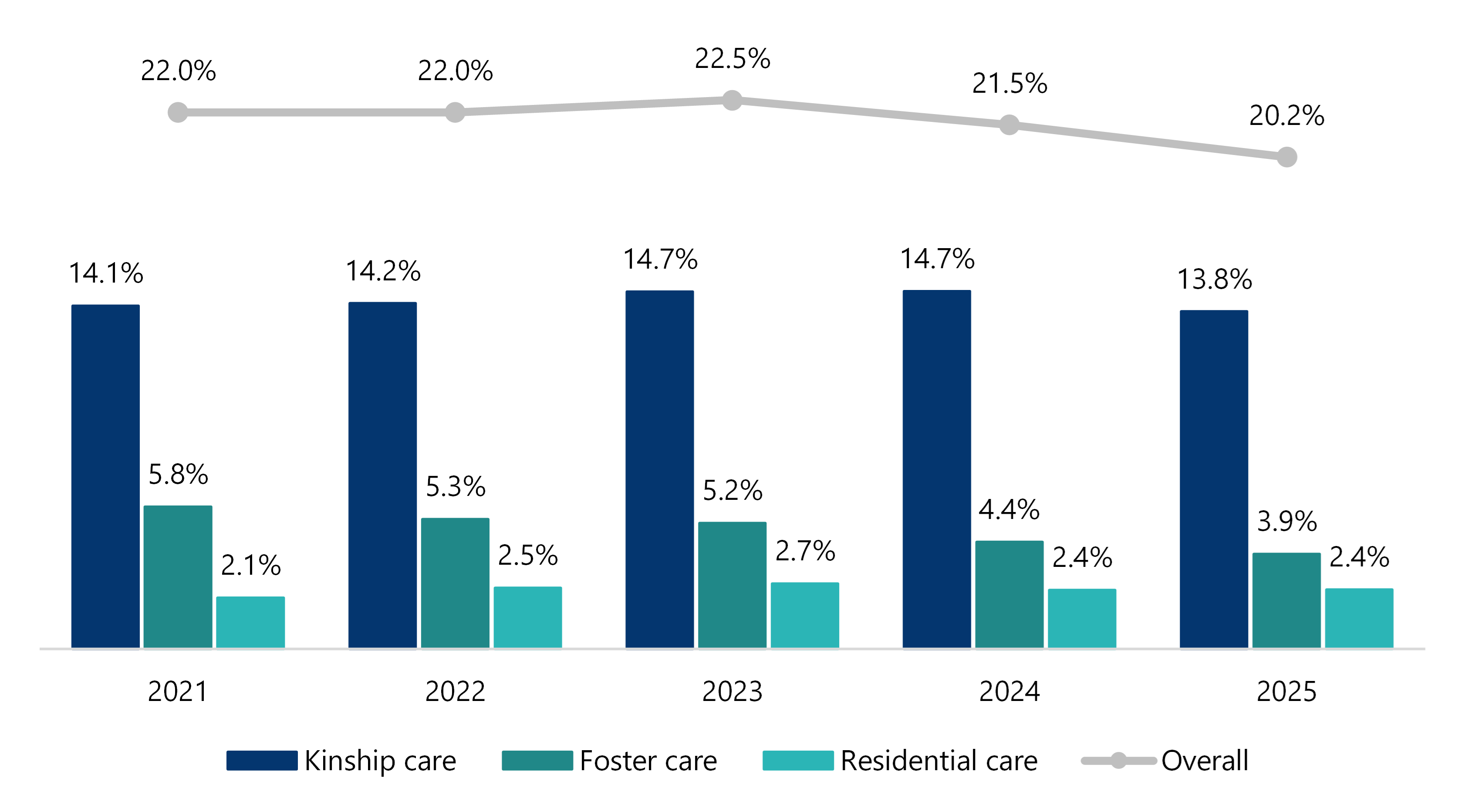
Figure 21 shows that between 30 June 2021 and 30 June 2025, the proportion of children in out of-home care with a recorded disability fell from 22.0 per cent to 20.2 per cent.
This decline was driven mainly by foster care. Kinship care had the largest share and residential care stayed comparatively low.
Figure 21: The proportion of all children in out‑of‑home care with a recorded disability by placement type, 30 June 2021 to 30 June 2025
Source: VAGO, based on department information.
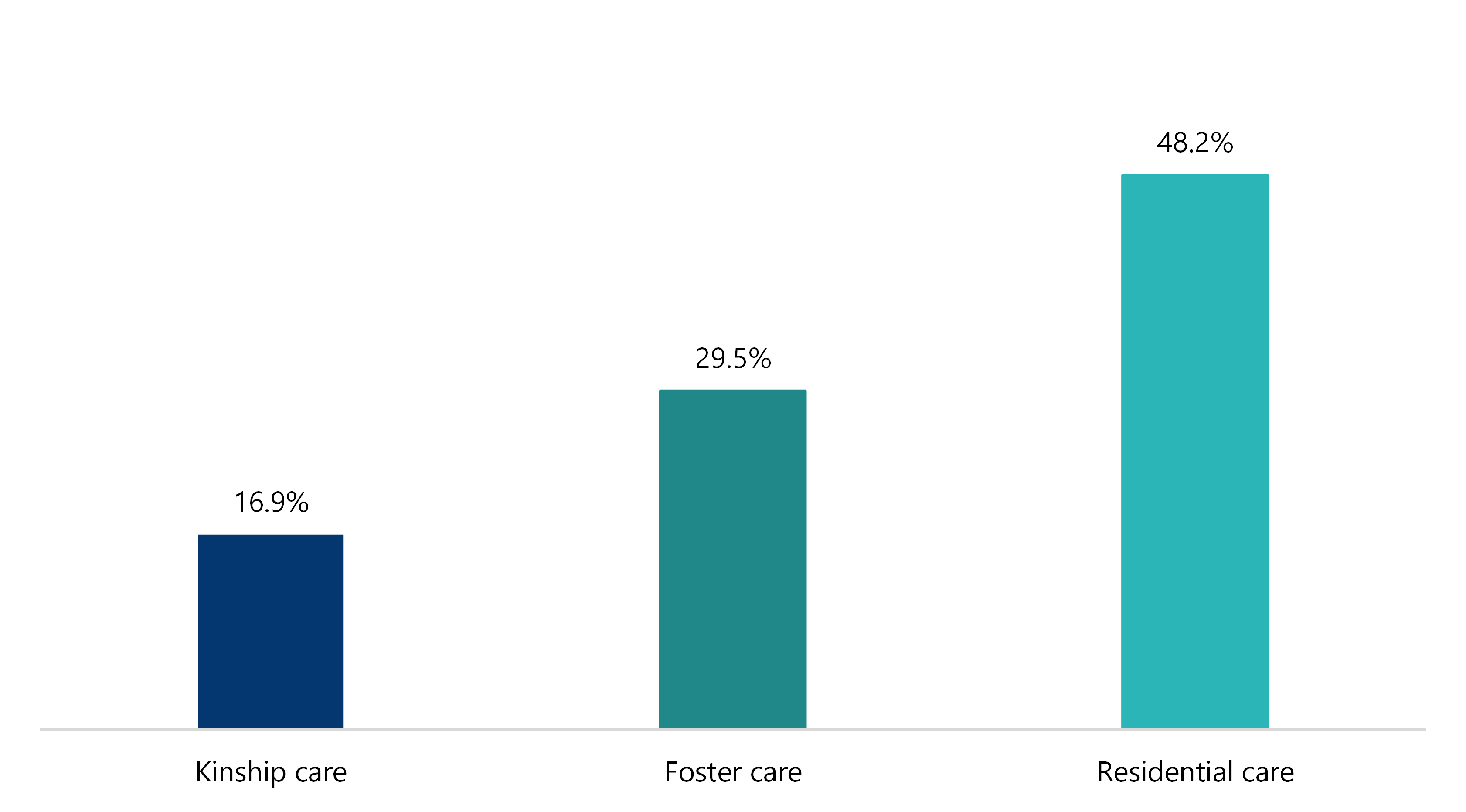
Figure 22 shows the proportion of children with a recorded disability within each placement type at 30 June 2025. Children in residential care were the most likely to have a recorded disability, with nearly half identified as having a disability, compared with around 3 in 10 children in foster care and fewer than 2 in 10 in kinship care.
Between 30 June 2021 and 30 June 2025, the proportion of children in residential care with a recorded disability increased from 41.1 per cent to 48.2 per cent.
Figure 22: Proportion of children with a recorded disability in each placement type at 30 June 2025
Source: VAGO, based on department information.
The department’s recent advice to the government states its records likely understate children’s need levels in out-of-home care, noting that children increasingly present with complex behavioural, developmental and trauma-related needs.
The department’s demand forecasting could be improved
Demand forecasting models
The department has previously used multiple statistical models to forecast service demand. It used the multivariate demand drivers model from 2022 to 2024 and introduced the multivariate demand forecasting model (MDFM), a statewide model, in 2025.
The department uses the MDFM to generate quarterly out-of-home care demand forecasts, using historical data at the local government area and statewide levels, which are aggregated to produce annual statewide estimates.
The MDFM considers the relationships between services, estimating how demand in one area affects demand in related services. It uses historical out-of-home care daily occupancy data together with a range of key child protection and family violence activities.
The MDFM does not provide forecasts broken down by placement type, geographic location, or Aboriginal and Torres Strait Islander status. To address some of these limitations, the department also uses the hierarchical forecasting model (HFM), which was implemented in 2021 as part of a suite of tools to forecast out of home care service demand. This model generates demand forecasts by placement type and Aboriginal and Torres Strait Islander status.
The department uses the HFM for specific purposes, including reporting on Closing the Gap targets. While the department advised that HFM outputs can also inform investment decision-making, we did not find evidence that the model was routinely used for this purpose during most of the audit period.
Forecast reliability
Our assessment of the departments’ forecast reliability is limited to the available data, as the department has not kept historical forecasting information from before 2024.
Although it gave us some incomplete forecasting data from this period, most data and documentation are not available due to machinery of government changes in February 2024.
Without comprehensive past data, we cannot fully audit the department's performance over time. But the department showed us evidence that its previous forecasts met acceptable standards.
Based on the data the department gave us, forecast accuracy is highest for periods closest to the time the forecast is produced and decreases over longer forecast horizons.
The MDFM as currently used does not routinely produce forecasts at a detailed geographic level, which limits its usefulness for forecasting area‑specific demand. Statewide projections may mask uneven or emerging system demand pressures and can obscure significant variation between regions. The department told us that it is working to address this limitation through future model iterations that reintroduce area‑based demand forecasting.
Both MDFM and the HFM produce forecasts that are sufficiently accurate for their intended purposes. While the HFM produces more detailed outputs than the MDFM, it has been used infrequently in the past.
The department used the HFM 3 times in the last 5 years – twice in 2021 and once in 2025. The department told us that it began using the HFM on an ongoing basis from 2025 as part of its broader out‑of‑home care forecasting approach.
Planning and investment decisions
The department uses forecasting to inform service delivery planning and support advice to the government on investment decisions including advice on risks to the sustainability of the child protection, family services and out-of-home care system.
While the department's forecasting models do not directly identify service-specific risks or predict service shortfalls, they help the department understand overall system pressure. This level of aggregation is sometimes appropriate because of how child and family services are connected.
But more detailed demand projections would be better since, despite the interconnected nature of the system, individual services and cohorts have distinct demand drivers and resourcing needs.
Appendix A: Submissions and comments
Download a PDF copy of Appendix A: Submissions and comments.

Appendix B: Abbreviations, acronyms and glossary
Download a PDF copy of Appendix B: Abbreviations, acronyms and glossary.
Appendix C: Audit scope and method
Download a PDF copy of Appendix C: Audit scope and method.